Introduction
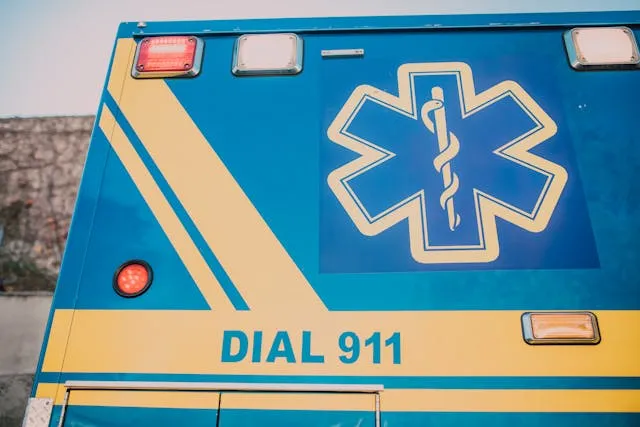
The radio crackled in the middle of the night. An ambulance crew had been called to a house where someone had fallen into a dry well, maybe 20 or 30 feet deep, hand-dug, historic. The first EMT went down a ladder to check on the person at the bottom.
A minute passed. Then a voice came over the radio: Virgil's not responding when we yell at him. We're sending somebody else down.
I was listening from the emergency room of a small rural hospital in Georgia. I was a young physician, fresh out of residency, recruited by this town to do two things: build a family practice and help establish emergency medicine on weekends. The ER work meant 24-hour shifts for two and a half days straight. Low volume, so you could sleep some nights, but you were up multiple times to take care of whoever walked in. I loved it.
What the radio didn't tell us yet was that a pocket of methane gas had collected at the bottom of that well. No oxygen. The first person had gone down to clean it and passed out. Then Virgil went down to help and passed out too. Without someone recognizing the danger, you could picture a growing pile of bodies at the bottom as each rescuer followed the last one in.
That's not funny. At the time, nobody laughed. I was on the radio offering advice, and the whole situation was urgent and grim. The next EMT went down with oxygen gear, pulled Virgil out, and Virgil recovered without incident.
The strange humor of the ER
But weeks later, retelling the story, the absurdity of it surfaced. You could picture each person descending that ladder with total confidence, disappearing into the same invisible pocket of gas, while the crew above scratched their heads wondering why nobody was answering.
That kind of humor lives in every emergency room I've worked in. Outsiders don't understand it. They shouldn't have to. But if you spend enough time in high-stress medicine, you develop a coping mechanism that looks, from the outside, like something close to cruelty. I think of it as National Lampoon humor. I remember a cover cartoon on one of their old magazines: a man slipping on a banana peel, captured mid-air just before he hits the pavement, while every bystander on the sidewalk is doubled over laughing.
Emergency medicine runs on that frequency. You see enough death and enough close calls, and something in you starts reaching for the absurd. If you didn't, I don't think you'd last very long.
I had plenty of material for that in rural Georgia.
Small-town medicine
One evening, a young man's wife showed up at the funeral home for the viewing. The mother had chosen the burial clothes, including underwear. The wife took one look and was furious. Her husband never wore underwear. So she pulled off his trousers, removed the offending garment, and put the pants back on.
The funeral director walked in during the process. He called the police. They started to arrest the wife. She began complaining of chest pain and shortness of breath.
She became my next patient.
That was life in a small-town ER. You knew the characters. Some of them were your most frequent patients. The drama never ran dry.
I'd come to that town naive. I was excited about building a family practice in an underserved area, and I was immediately busy. What nobody told me was that many of my patients had no insurance and no ability to pay. I was young, had a growing family with two children, and had no experience in the business side of medicine. I ended up with enormous accounts receivable, uncollected, and barely enough to live on.
The emergency room kept me sane. It kept me sharp. Every shift brought something I hadn't seen before, and the anxiety of not knowing what would come through the door forced me to develop skills fast. I had moonlighted in emergency rooms throughout residency because I loved that pressure. It made me a better physician.
What patients can learn from this
I tell these stories because they matter more than most people realize. Every doctor you sit across from carries a catalog of moments like these. Some of them built compassion. Some of them built cynicism. The accumulation of those experiences shapes how your doctor listens to you, how they weigh risk, how they handle uncertainty.
As a patient, you can't see that mix. You can't ask for a doctor's emotional resume. But you can pay attention to how other patients talk about them. Referrals from people who've sat in that exam room, who felt listened to or didn't, those referrals may be the single most valuable tool you have for finding the right provider.
More from Sage Matters

Moonshine and Freezer-Burned Deer Meat
The Road to Functional Medicine
READ ARTICLE
TrumpRx
A look at TrumpRx, a new cash-price model that may lower out-of-pocket prescription costs for some patients.
READ ARTICLE
Think Twice - Second Opinion
Why you should ask for a second opinion
READ ARTICLE
Are medical terms deliberately misleading?
Recent vaccine policy changes show how confusing medical language can be
READ ARTICLE