Exercise
BibliographyExercise is not one thing. Walking, lifting, balance work, and interval training put different demands on the body and produce different results. If you only train one lane, you leave holes somewhere else. This section breaks exercise into the three areas that matter most for aging well: Aerobic Capacity, Strength and Muscle, and Mobility and Stability. The goal is to stay capable and avoid preventable decline. Start with Why Movement Complexity May Matter as Much as Cardiovascular Fitness, Muscle Mass vs Muscle Power, and The Case Against Moderate Cardio.

Mobility and Stability
Movement quality determines injury risk and independence. When balance and stability decline, falls become more likely and daily activities require conscious effort. Research shows rotational and balance training significantly reduces fall risk in older adults. This combined with strength training maintains joint function and supports movement capacity.
EXPLORE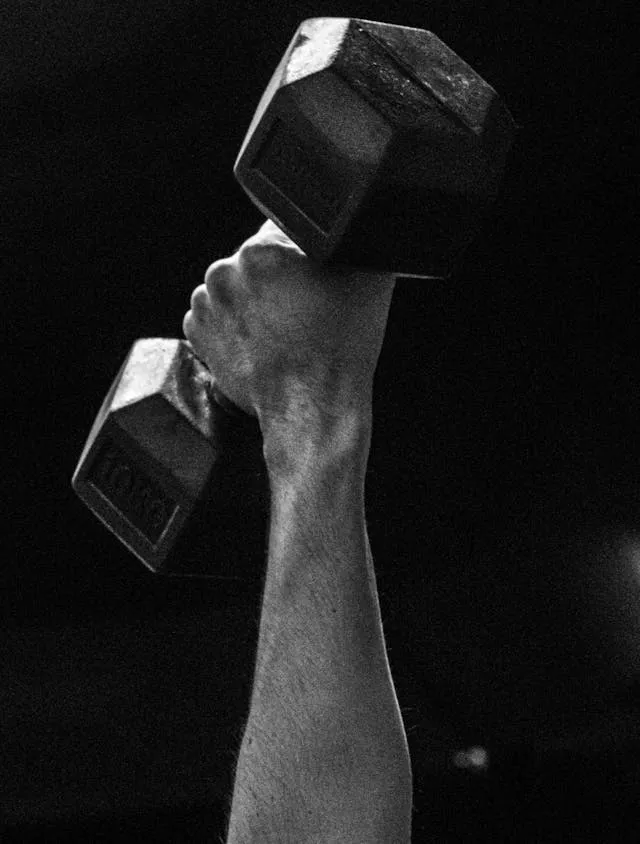
Strength/Muscle
Strength determines your quality of life as you age. Muscle lets you move, carry, climb, and react when surprises happen. It buffers blood sugar, supports joints, and keeps metabolism stable. Without training, adults lose 3-8% of muscle per decade after 30. Brief, regular resistance training adds years to your life.
EXPLORE
Aerobic Capacity
Aerobic capacity determines how efficiently your cardiovascular system delivers oxygen to muscles. High capacity means you sustain activity longer, recover faster, and maintain metabolic health. When it declines, simple tasks become harder and disease risk rises.
EXPLORE