Introduction
A few years ago I was putting together a supplement stack focused on cancer prevention and detoxification. I kept running into the same name in the research: sulforaphane. Not from supplement company marketing, but from peer-reviewed publications out of Johns Hopkins School of Medicine. That caught my attention.
When I dug into the original papers, I found something that changed how I think about food as medicine. The story starts not with a drug, not with a synthetic compound, but with a three-day-old sprout you can grow on your kitchen counter.
What Sulforaphane Is
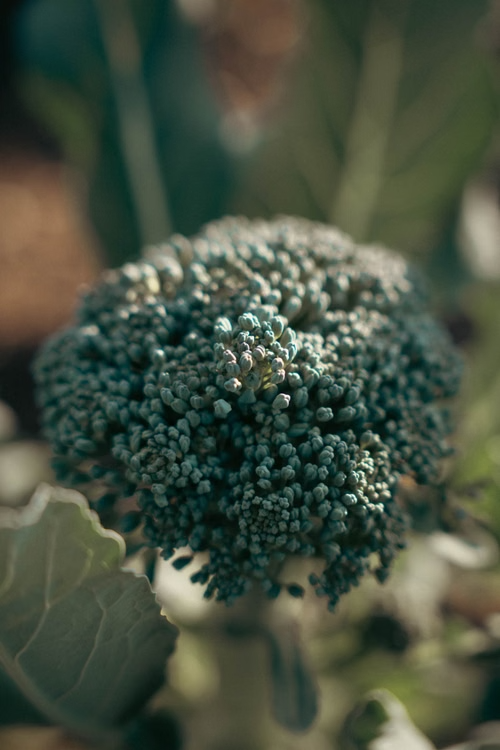
Sulforaphane is a naturally occurring compound found in cruciferous vegetables, particularly broccoli, Brussels sprouts, cauliflower, and cabbage. It does not exist preformed in the plant. It forms through a chemical reaction when the vegetable tissue is damaged, whether by chewing, cutting, or crushing. That damage brings together two compounds stored separately: glucoraphanin, a precursor molecule, and myrosinase, an enzyme. When they meet, sulforaphane is produced.
This is worth understanding practically. Cooking at high heat destroys myrosinase, which means steamed or boiled broccoli delivers far less sulforaphane than raw broccoli. Light steaming, around 70 degrees Celsius for three to four minutes, preserves enough enzyme activity to still generate meaningful amounts. Chewing raw broccoli thoroughly, or pairing cooked broccoli with a small amount of mustard powder, which contains its own myrosinase, are two practical ways to maximize what you get from the vegetable.
The compound itself is an isothiocyanate, a sulfur-containing molecule. That distinctive smell associated with cooked broccoli is related to this class of compounds.
One practical note worth adding: not all broccoli seeds, including some labeled as organic, produce meaningful sulforaphane. The glucoraphanin content varies widely by variety and growing conditions. This is relevant to both home sprouting and supplement sourcing.
The Johns Hopkins Discovery
In 1992, Paul Talalay and Jed Fahey at the Johns Hopkins School of Medicine identified sulforaphane as a potent inducer of Phase II detoxification enzymes. These enzymes are part of the body's system for processing and eliminating carcinogens, toxins, and oxidative compounds. Talalay had spent decades studying how the body protects itself from cancer, and this finding pointed to one of the most direct connections between diet and cellular defense he had seen.
The 1992 paper described sulforaphane as a "chemoprotective" substance. Five years later came the result that changed how researchers thought about broccoli as a food.
In 1997, Talalay's team published data in the Proceedings of the National Academy of Sciences showing that three-day-old broccoli sprouts contain 20 to 50 times the glucoraphanin found in mature broccoli heads. A small amount of broccoli sprouts delivers far more of the active compound than a large serving of the vegetable at the grocery store.
That same year, Talalay, Fahey, and Talalay's son Antony founded Brassica Protection Products to commercialize what they had found. By 2001, they had developed TrueBroc, a standardized glucoraphanin ingredient derived from specially selected broccoli seeds with consistently high levels of the precursor. Johns Hopkins licensed the intellectual property, and TrueBroc became the ingredient used in many research-grade sulforaphane supplements.
Paul Talalay died in 2019. He spent nearly 30 years studying this compound. The research he built still anchors the field.
The Nrf2 Pathway: How It Works at the Cellular Level
To understand why sulforaphane has effects across so many different health conditions, you need to understand Nrf2.
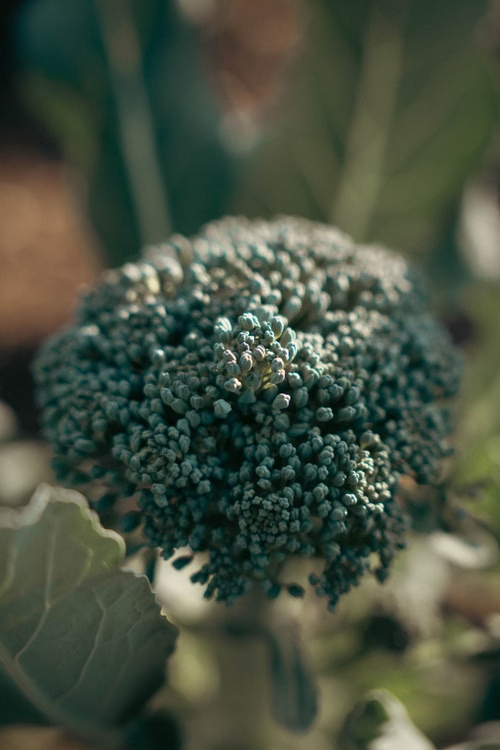
Nrf2 is a protein that functions as a master regulator of the body's antioxidant and detoxification systems. Under normal conditions, it is kept inactive in the cell's cytoplasm, bound to a regulatory protein called Keap1. When sulforaphane enters the cell, it modifies Keap1 in a way that releases Nrf2, which then moves into the cell's nucleus and activates gene expression.
The genes Nrf2 activates encode for protective enzymes, including glutathione synthesis enzymes, superoxide dismutase, catalase, and heme oxygenase-1. These are the enzymes responsible for neutralizing free radicals, processing toxins through the liver, and reducing inflammation at the cellular level. Estimates suggest that Nrf2 activation influences the expression of over 200 protective genes.
What makes sulforaphane distinct is that it is the most potent naturally occurring Nrf2 activator identified to date. It does not act as a direct antioxidant the way vitamin C or vitamin E do. Instead, it induces the body to produce its own antioxidant enzymes at higher concentrations. This matters because endogenous enzymes can neutralize far more oxidative stress, continuously, compared to a single ingested antioxidant molecule.
Beyond Nrf2, sulforaphane has several protective mechanisms that operate independently of this pathway. Research by Dr. John Gildea and Dr. Martin Katz at Epiceutical Labs identified three effects of particular relevance to aging and chronic disease: mitochondrial fusion, which promotes healthy mitochondria formation; inflammasome inhibition, which blocks a key driver of sterile inflammatory disease; and downregulation of NF-kB, the primary transcription factor for pro-inflammatory gene expression. Sulforaphane is unusual among natural compounds in addressing both the antioxidant and inflammatory axes at the same time.
The Nrf2 activation effect is also relatively sustained. After a single dose, Nrf2 activity remains elevated for 48 to 72 hours.
Cancer Prevention Evidence
The anti-cancer research on sulforaphane covers multiple mechanisms.
At the most fundamental level, Phase II enzymes activated by Nrf2 help convert carcinogens into water-soluble compounds that the kidneys can excrete. This is called Phase II biotransformation, and it is a primary way the body handles exposure to environmental carcinogens.
A landmark study from Johns Hopkins and the University of California at Berkeley measured this directly. Participants living in a heavily polluted area of China consumed a broccoli sprout extract beverage daily for 12 weeks. Urinary excretion of benzene, a known carcinogen, increased by 61 percent almost immediately. Acrolein excretion increased by 23 percent. The body was processing and eliminating these compounds more efficiently, in measurable amounts, within days.
Beyond detoxification, sulforaphane has demonstrated effects on cancer cell biology in laboratory and animal studies. It inhibits cell cycle progression in multiple cancer cell lines, induces apoptosis in cancer cells, and affects histone deacetylase activity, which influences how genes involved in cancer suppression are expressed.
Human trials have been conducted in prostate, breast, and pancreatic cancer. Results have varied by cancer stage and genetic background, but early-stage prostate cancer research showed reductions in PSA doubling time. The evidence does not support sulforaphane as a cancer treatment. It supports its role as a chemoprotective compound, most valuable as part of a long-term strategy to reduce cancer risk over decades.
Brain Health and Neurological Research
The Johns Hopkins research on sulforaphane and the brain has taken several directions. Two stand out.
The first is autism spectrum disorder. A 2014 randomized, double-blind, placebo-controlled trial at Johns Hopkins enrolled young men aged 13 to 27 with moderate to severe ASD. Participants received daily oral sulforaphane for 18 weeks. The sulforaphane group showed a mean reduction of 18 points on the Aberrant Behavior Checklist, compared to 1 point in the placebo group (p=0.0001). Social responsiveness scores improved meaningfully as well.
The second is schizophrenia. Johns Hopkins researchers have investigated sulforaphane as a way to address glutamate imbalance, particularly in the glutathione system. Early work showed increased glutathione in the brain following sulforaphane supplementation, and clinical trials have followed.
The underlying mechanism connecting sulforaphane to brain health runs through Nrf2 and neuroinflammation. Oxidative stress and chronic neuroinflammation are implicated in Alzheimer's disease, Parkinson's disease, and general cognitive decline. Sulforaphane's ability to reduce inflammatory markers, increase BDNF (brain-derived neurotrophic factor), and support glutathione synthesis in brain tissue makes it a plausible neuroprotective agent. The human data is still accumulating, but the direction of research has been consistent.
Gut Health, the Microbiome, and Aging
The gut research on sulforaphane is more recent. Two areas stand out: the microbiome and intestinal barrier integrity.
In animal models of colitis, sulforaphane reduced disease activity, shortened colon damage, decreased pro-inflammatory cytokines including TNF-alpha and IL-6, and improved tight junction protein expression. Tight junction proteins are what keep the intestinal lining intact, and their degradation is associated with intestinal permeability.
Human studies have found that broccoli sprout consumption reduces circulating CRP and interleukin-6, markers of systemic inflammation. A 2014 randomized trial in overweight subjects found meaningful reductions in inflammatory markers after regular sprout consumption.
A 2020 study from the University of Arkansas adds another dimension. Researchers gave old mice sulforaphane for two months and analyzed their gut bacterial composition. The mice who received sulforaphane showed a microbiome profile that resembled young mice rather than age-matched controls. The most notable change was in the Allobaculum genus, a group of bacteria that declines with age-related mitochondrial dysfunction and whose primary role involves producing short-chain fatty acids (SCFAs). SCFAs are potently anti-inflammatory and essential for maintaining intestinal barrier function. The study raises a meaningful question for human longevity research: if sulforaphane can reverse microbiome aging patterns in animal models, at what dose does that translate to people.
The Supplement Problem: Most Broccoli Products Don't Contain Sulforaphane
Here is something most supplement buyers don't know: the broccoli supplement on your shelf almost certainly does not contain sulforaphane. Check the label. If it says "sulforaphane glucosinolate," you are looking at glucoraphanin, the precursor molecule. The supplement industry uses these two terms interchangeably, which creates real confusion for buyers who believe they are purchasing the active compound.
If this article helped you, please share it. Your shares help keep Sage Matters free, and I only ask you to share it if you genuinely found it useful.
The reason is straightforward. Sulforaphane is notoriously unstable. It degrades quickly, which makes it difficult and expensive to stabilize in a capsule. Nearly every broccoli supplement on the market uses glucoraphanin because it is shelf-stable. The problem is that glucoraphanin requires gut bacteria to convert it to sulforaphane after ingestion, and that conversion is unreliable. If the specific microbiota responsible for this step are absent or suppressed, you absorb very little actual sulforaphane. Research from Mara Labs (formerly Epiceutical Labs) suggests that glucoraphanin supplements may deliver as little as 2 to 5 percent of the sulforaphane bioavailability that a properly stabilized supplement would provide.
The company that solved this stabilization challenge is Mara Labs, founded by Dr. John Gildea, a PhD geneticist and cancer researcher, and Dr. Martin Katz, an MD specializing in family and sports medicine, along with David Roberts. Their product, BrocElite, came out of a deeply personal mission. A friend of Dr. Gildea's was seriously ill and urged him to find a way to stabilize the sulforaphane molecule and make it available in supplement form. She did not live to see it brought to market. That origin shapes how the company thinks about what they are doing.
BrocElite is made from broccoli seeds grown in the United States, manufactured in Virginia, and has been independently third-party tested, including by Jed Fahey at Johns Hopkins. According to Mara Labs' data, bioavailability of sulforaphane from BrocElite approaches 90 percent, compared to the 2 to 5 percent typical of glucoraphanin-based products.
You can try it here if you’d like. This is an affiliate link, but I only affiliate myself with companies or products I believe in and have tried: https://mara-labs.com/sagematters
This distinction matters if you are taking a broccoli supplement for clinical reasons. The difference between 90 percent and 2 to 5 percent is not a small rounding error.
Glyphosate, Nrf2, and Why This Applies to Most People
One piece of Mara Labs' research deserves specific attention. Their laboratory work, using human liver cells, found that glyphosate decreases Nrf2 activity by approximately 30 percent. Glyphosate is the active ingredient in Roundup and the most widely used herbicide in the world. It is detectable in most non-organic food, in municipal water systems, and in rainwater samples across agricultural regions of North America.
Most people assume their detoxification system is functioning normally if they eat reasonably well. This research suggests that background glyphosate exposure may be actively suppressing the Nrf2 pathway before you ever try to support it.
The same research found that sulforaphane in the presence of glyphosate increased Nrf2 activity by approximately 170 percent above baseline. The sulforaphane did not merely overcome the glyphosate-driven suppression; it activated the pathway well above where it would be without any glyphosate at all. This does not mean sulforaphane eliminates glyphosate from the body, but it directly counteracts one specific mechanism by which glyphosate appears to impair liver detoxification.
For anyone eating non-organic produce regularly, drinking municipal water, or living near agricultural land, this is practically relevant. Which, at this point, is most people.
Practical Takeaways
Sulforaphane is not a supplement I recommend as a replacement for anything else. It fits within a broader approach to reducing oxidative stress, supporting detoxification, and lowering cancer risk over time. That said, it is one of the few natural compounds with this depth of clinical and mechanistic evidence across multiple health domains.
For most people, I suggest starting with food. Growing your own broccoli sprouts costs almost nothing and takes three days. A small amount, roughly one to two ounces per day, delivers a meaningful dose of glucoraphanin, provided your gut microbiome is intact enough to convert it.
If fresh sprouts are not practical, choose your supplement carefully. Most products on the market contain glucoraphanin, not sulforaphane, regardless of what the label implies. If you have gut dysbiosis, have recently been on antibiotics, or have inflammatory bowel disease, the glucoraphanin-to-sulforaphane conversion may be significantly impaired. In those cases, a product containing actual stabilized sulforaphane makes a real clinical difference. Pairing any glucoraphanin supplement with a source of myrosinase, such as mustard seed powder, increases conversion rates and has been confirmed in bioavailability studies.
Clinically, sulforaphane is most relevant for patients with elevated cancer risk, significant exposure to environmental toxins, neuroinflammatory conditions, metabolic dysfunction with elevated inflammatory markers, or meaningful exposure to air pollution or glyphosate from diet and water. Given that those last two criteria now apply to most people in the industrialized world, the case for sulforaphane as a regular supplement has become more specific and more practical.
Thirty years of serious research at a serious institution pointed toward a vegetable. That is worth following.
Bibliography
Fahey, J.W., Zhang, Y., & Talalay, P. (1997). Broccoli sprouts: An exceptionally rich source of inducers of enzymes that protect against chemical carcinogens. Proceedings of the National Academy of Sciences, 94(19), 10367–10372.
Talalay, P. (2001). Chemoprotection against cancer by induction of Phase 2 enzymes. BioFactors, 12(1–4), 5–11.
Singh, K., Connors, S.L., Macklin, E.A., Smith, K.D., Fahey, J.W., Talalay, P., & Zimmerman, A.W. (2014). Sulforaphane treatment of autism spectrum disorder (ASD). Proceedings of the National Academy of Sciences, 111(43), 15550–15555.
Egner, P.A., Chen, J.G., Zarth, A.T., et al. (2014). Rapid and sustainable detoxication of airborne pollutants by broccoli sprout beverage: Results of a randomized clinical trial in China. Cancer Prevention Research, 7(8), 813–823.
Shapiro, T.A., Fahey, J.W., Dinkova-Kostova, A.T., et al. (2006). Safety, tolerance, and metabolism of broccoli sprout glucosinolates and isothiocyanates: A clinical phase I study. Nutrition and Cancer, 55(1), 53–62.
Bent, S., Lawton, B., Warren, T., et al. (2018). Identification of urinary metabolites that correlate with clinical improvements in children with autism treated with sulforaphane from broccoli. Molecular Autism, 9, 35.
Yagishita, Y., Fahey, J.W., Dinkova-Kostova, A.T., & Kensler, T.W. (2019). Broccoli or sulforaphane: Is it the source or dose that matters? Molecules, 24(19), 3593.
Schwab, M., Reynders, V., Loitsch, S., et al. (2008). The dietary histone deacetylase inhibitor sulforaphane induces human beta-defensin-2 in intestinal epithelial cells. Immunology, 125(2), 241–251.
Tran, H.Q., et al. (2020). Sulforaphane restores age-associated microbiome composition in mouse gut. Journal of Nutritional Biochemistry, doi: 10.1093/jn/nxaa299.
Gildea, J.J., & Katz, M. (2019). Glyphosate-induced Nrf2 suppression in human liver cells and reversal with sulforaphane. Internal research, Epiceutical Labs / Mara Labs. https://mara-labs.com (https://mara-labs.com/)
Roberts, D. (2022). Episode 220: Sulforaphane 101 — The Good Molecule in Broccoli. Mara Labs podcast. https://mara-labs.com/blogs/journal/sulforaphane-101-the-good-molecule-in-broccoli-its-health-benefits
Brassica Protection Products LLC. (2015). Expansion of exclusive license agreement with Johns Hopkins University. PRWeb press release.
Johns Hopkins Medicine. (2019). Paul Talalay, Hopkins Researcher Famed for Finding Cancer-Preventing Compound in Broccoli, Dies. Press release.
Ready to start restoring your health?
The membership is $300 a month, month to month. You get a written plan, teaching, and coaching. Sage does not diagnose you or give you a personal medical reading.
See the membershipMore from Sage Matters
DECEMBER 11 DEADLINE: CBD oil may be worth a careful trial
This article is being published out of our normal sequence because a clock is ticking and soon it will become very difficult if not impossible to obtain full spectrum CBD oil
READ ARTICLE
Ketones as a supplement and not as a result of a low carb diet
I have written about ketones as a supplement previously. I am more intrigued the more I look at the benefits from using ketones as a fuel source. You body
READ ARTICLE
Do the supplements you buy have valid science supporting that expense?
A physician's guide to evaluating supplement evidence, understanding regulatory gaps, and making informed decisions about what's actually worth taking.
READ ARTICLE
Move Like Your Life Depends On It, Because It Does
A few years ago I came across a study that stuck with me.
READ ARTICLE